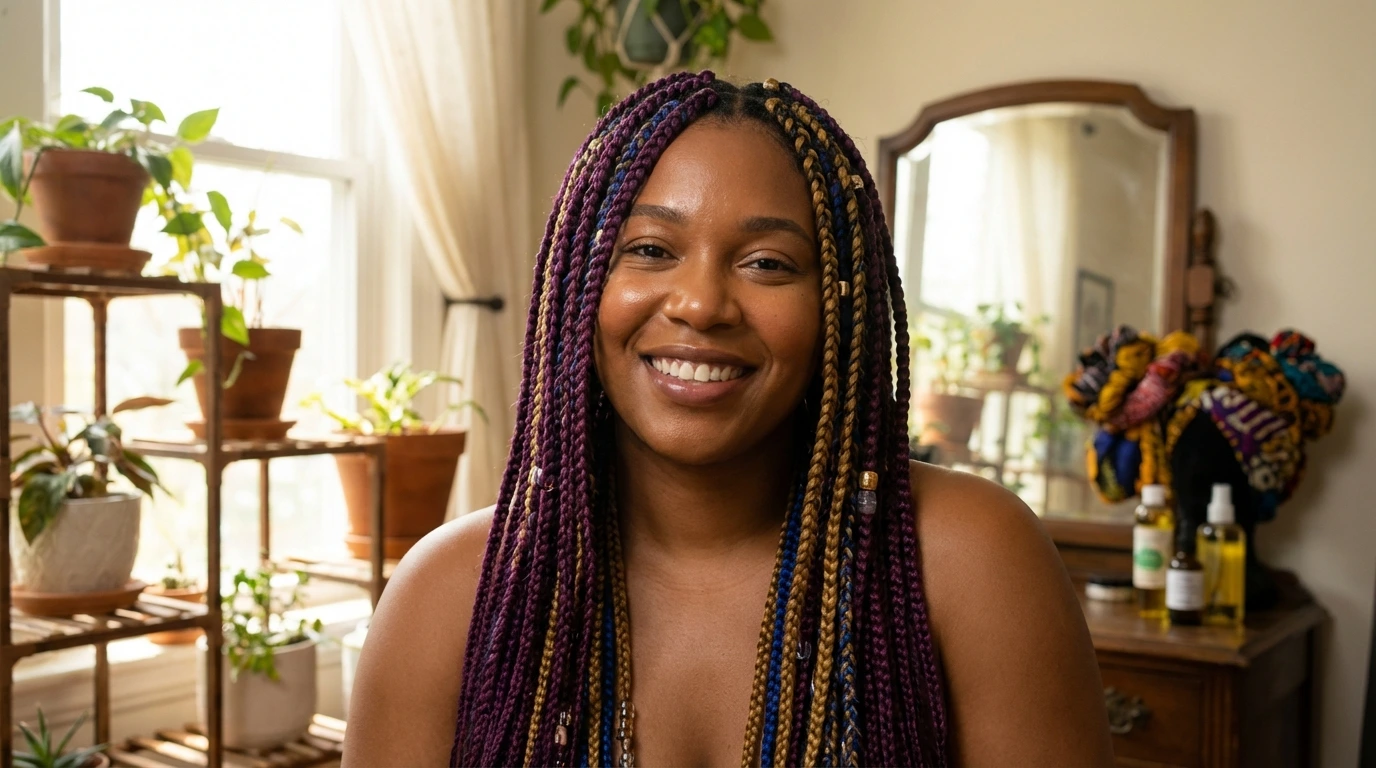
Protective styles are an essential aspect of maintaining and promoting natural hair growth. If you have natural hair, you know how important it is to shield your tresses from environmental stressors and manipulation. By incorporating protective styles into your routine, you can help retain moisture, reduce breakage, and ultimately encourage healthier hair growth. In this article, we will explore various protective styles that not only look fabulous but also support your hair’s overall health.
What Are Protective Styles?
Protective styles are hairstyles that minimize the amount of manipulation your hair undergoes. These styles often involve tucking away the ends of your hair, which is the most vulnerable part. By shielding your hair from heat, humidity, and environmental factors, you create an environment conducive to growth. Protective styles can vary from intricate braids to simple buns, making them versatile for any occasion.
Benefits of Protective Styles
One of the primary benefits of protective styles is reduced manipulation, which helps prevent breakage. Additionally, these styles can help lock in moisture, keeping your hair hydrated and healthy. Protective styles also offer you the chance to experiment with different looks without the commitment of cutting or coloring your hair. Whether you’re preparing for a special event or simply want to give your hair a break, protective styles are an excellent choice.
Box Braids
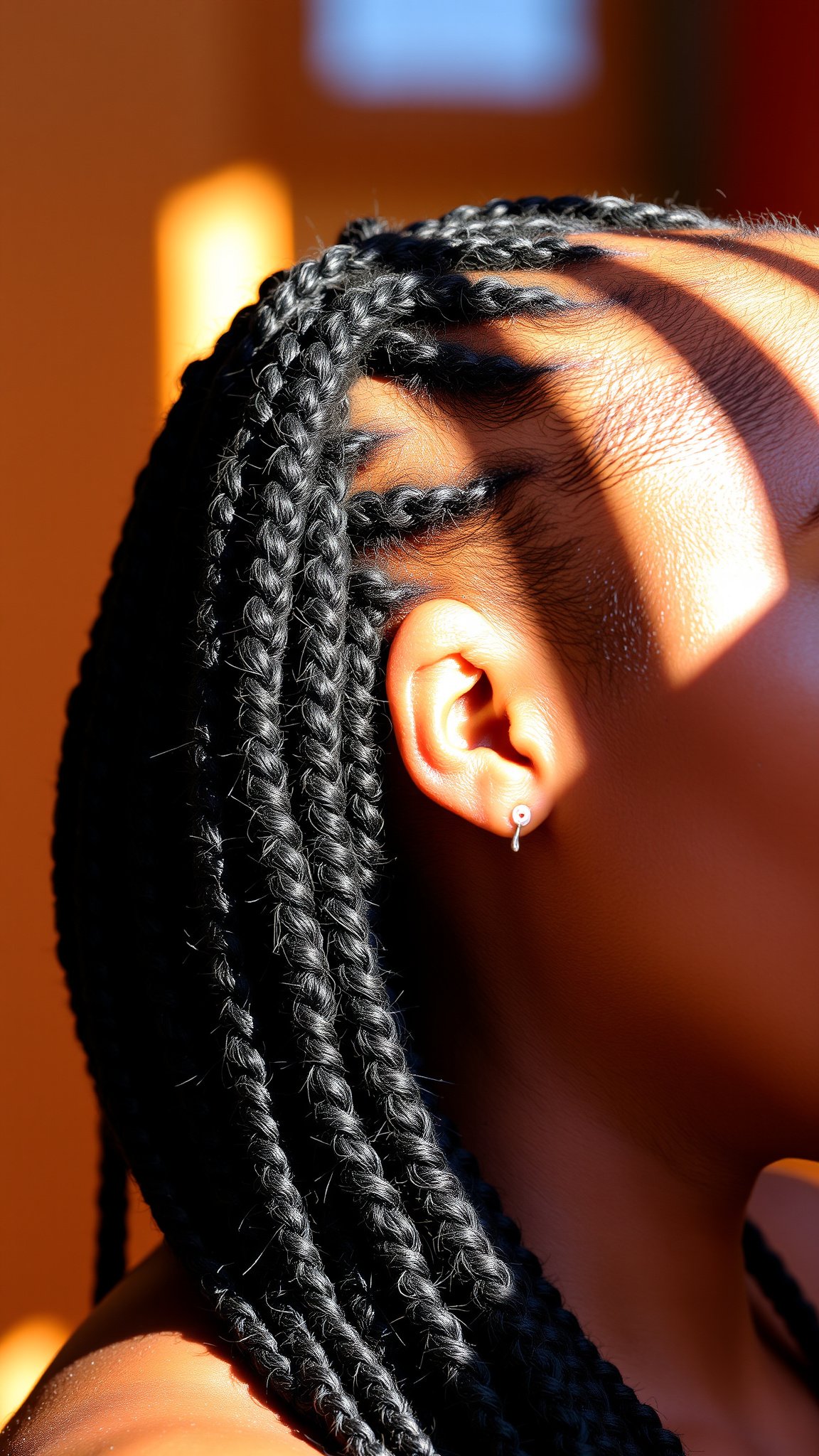
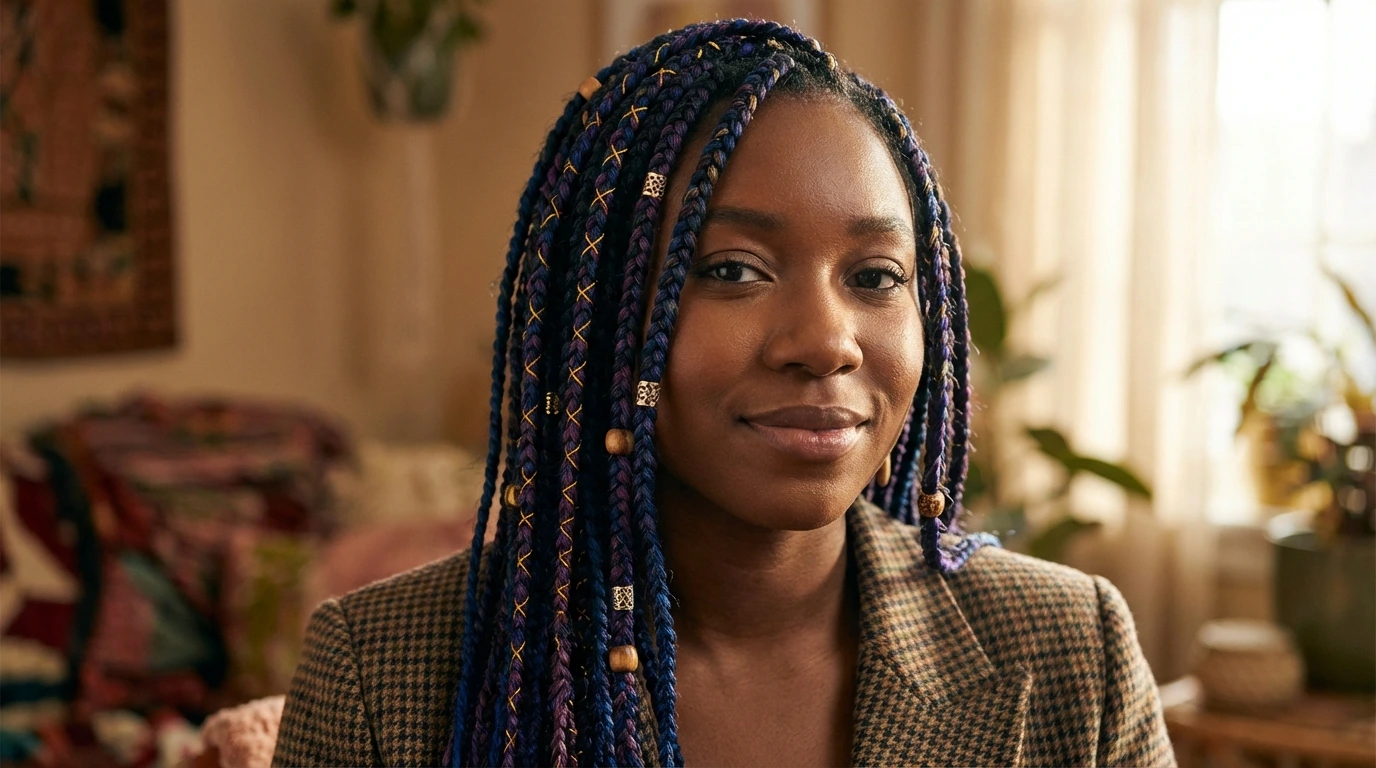
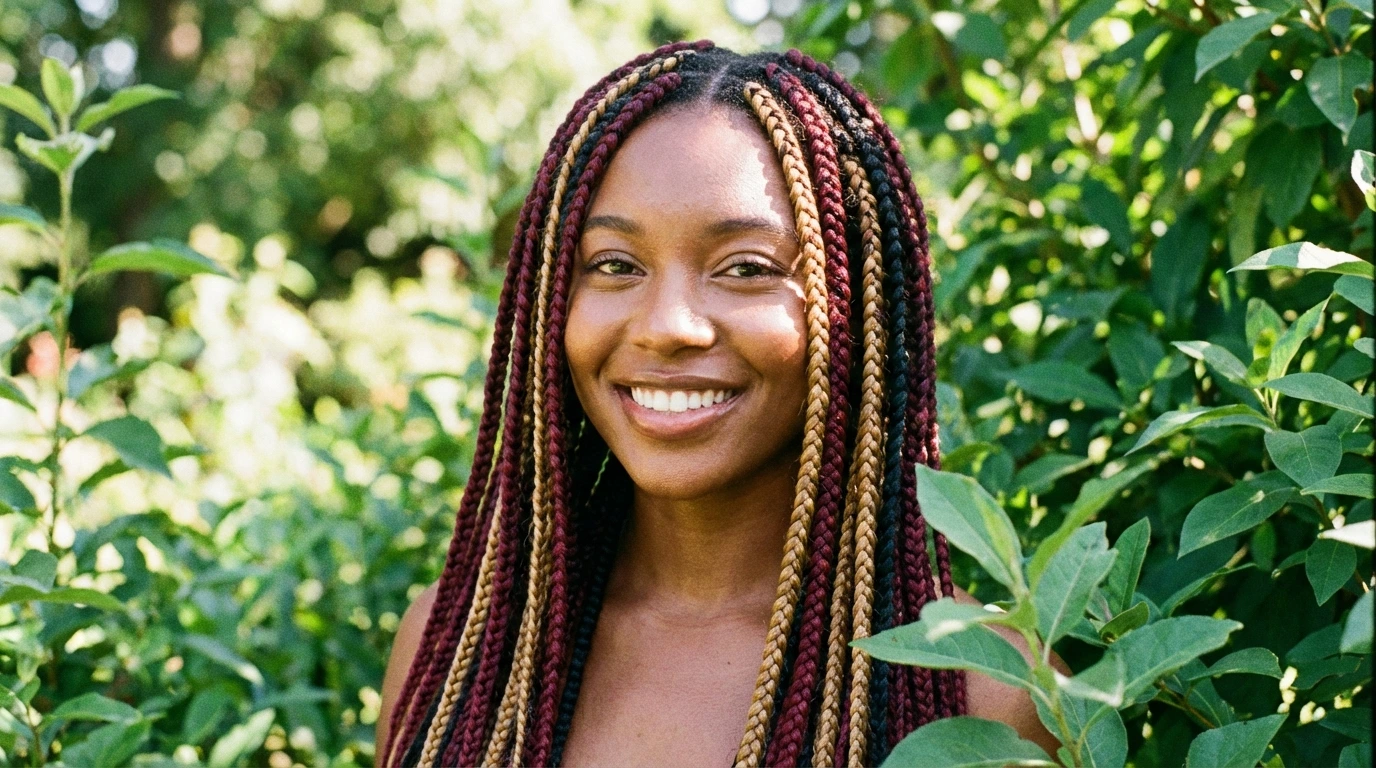
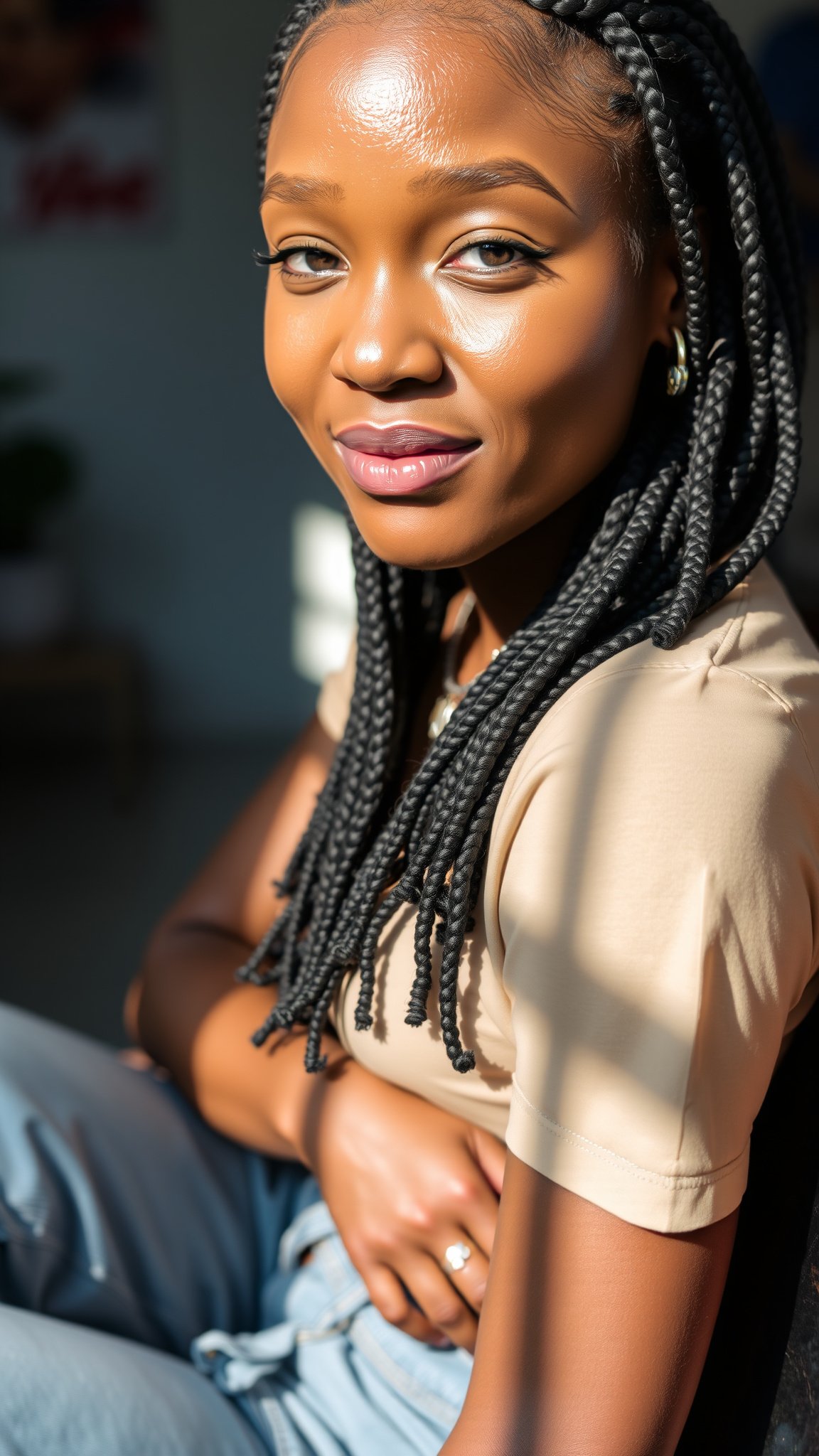
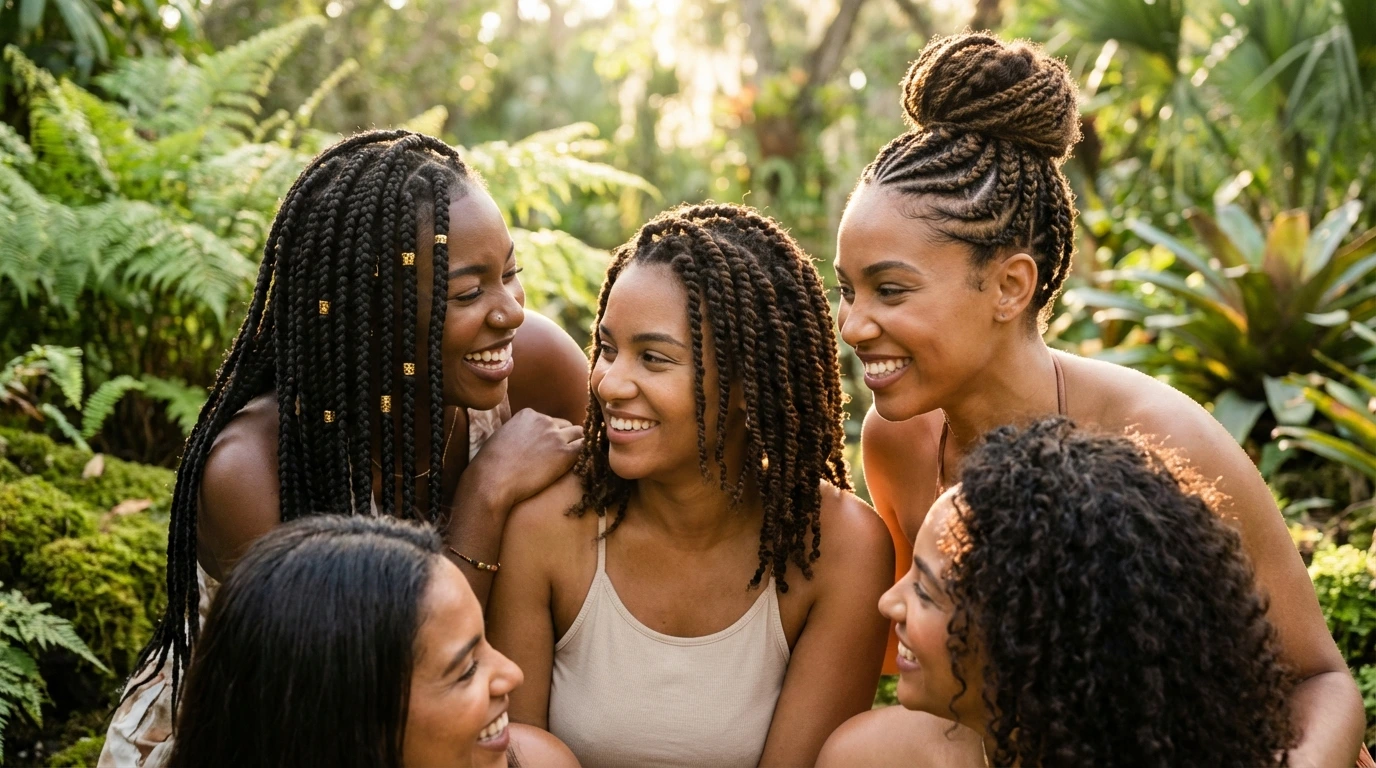
Box braids are a classic protective style that involves sectioning the hair into square-shaped divisions, which are then braided. This style is not only beautiful but also highly versatile, allowing you to experiment with different lengths and colors. Box braids are trending due to their low maintenance and the ability to last for several weeks. They are perfect for everyday wear or special occasions. Be sure to moisturize your scalp regularly to keep your hair healthy while wearing this style.
Twist Outs
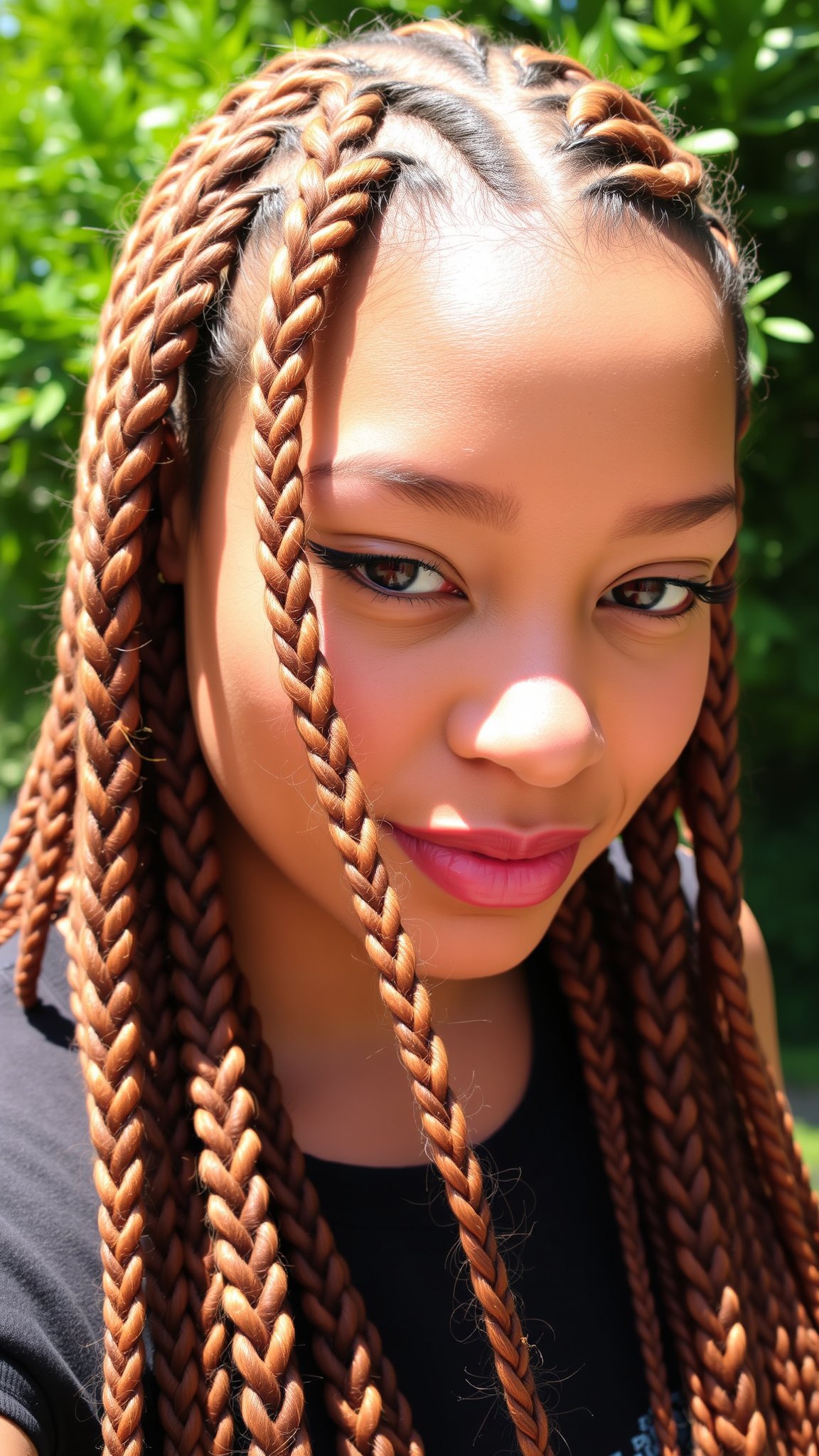
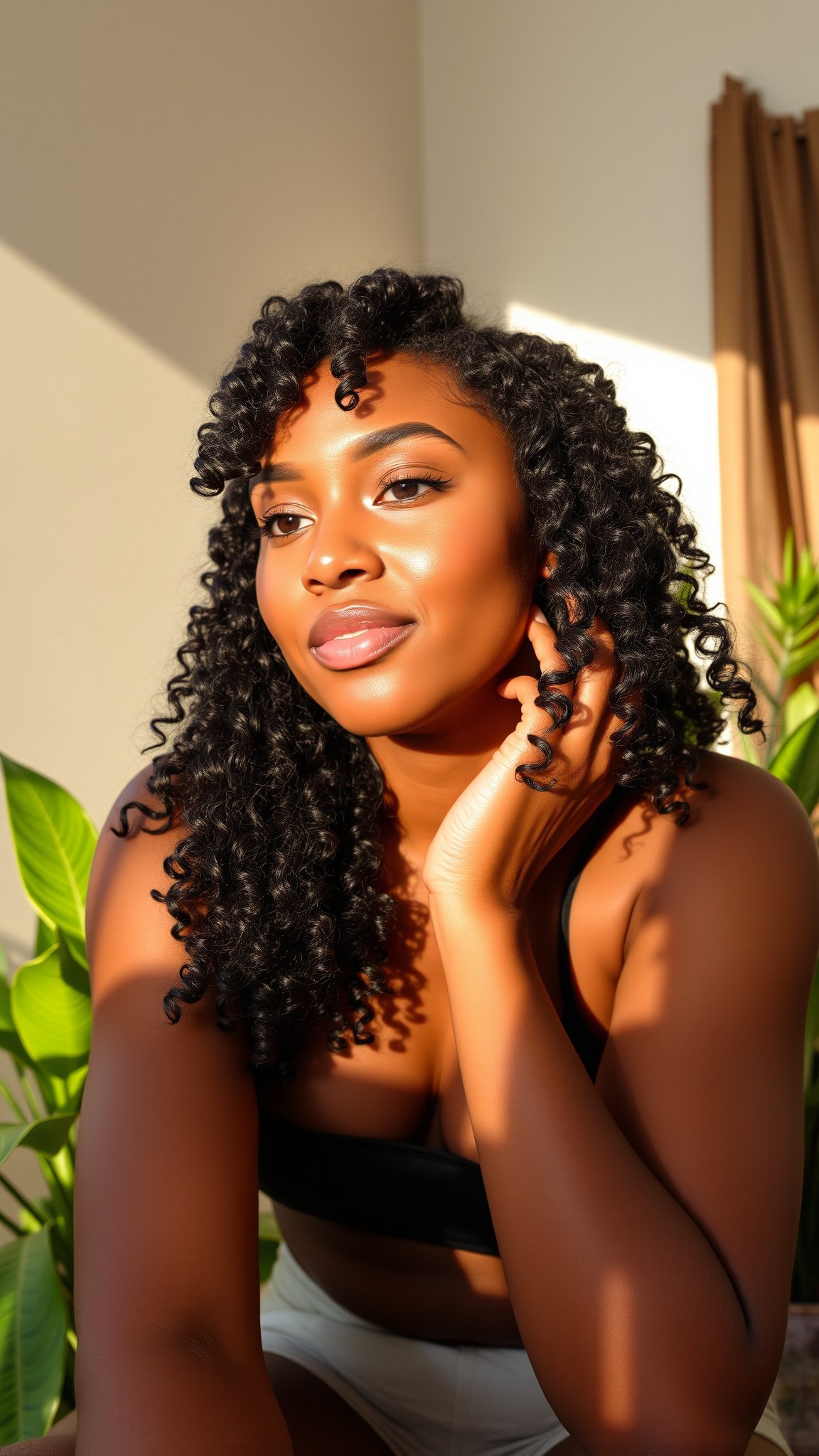
Twist outs involve twisting your hair into two-strand twists and then unraveling them to create beautiful, defined curls. This style is ideal for showcasing your natural texture while protecting your hair from damage. Twist outs are perfect for casual outings or even formal events, depending on how you style them. For best results, ensure your hair is well-moisturized before twisting, and use a light holding product to enhance definition and longevity.

Fulani Braids
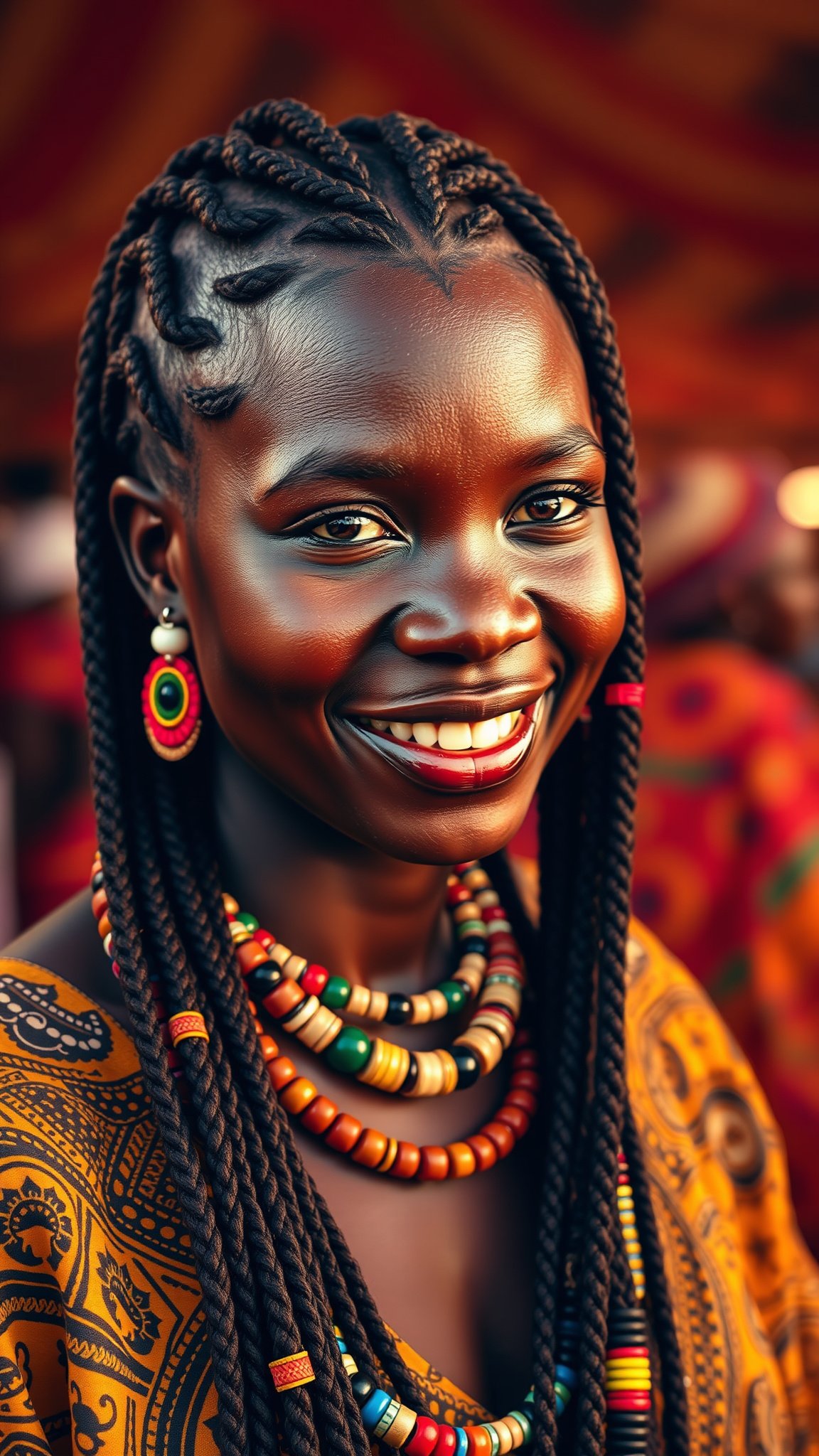
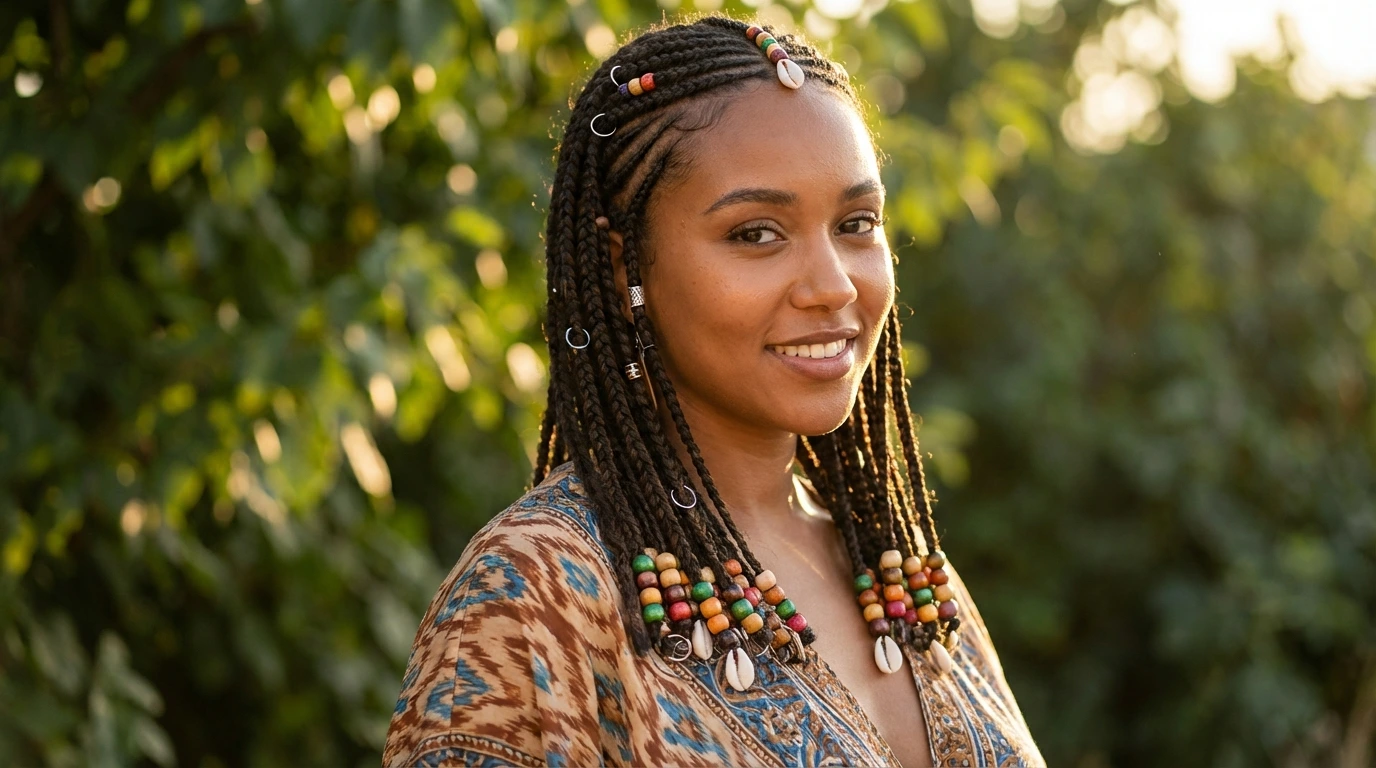
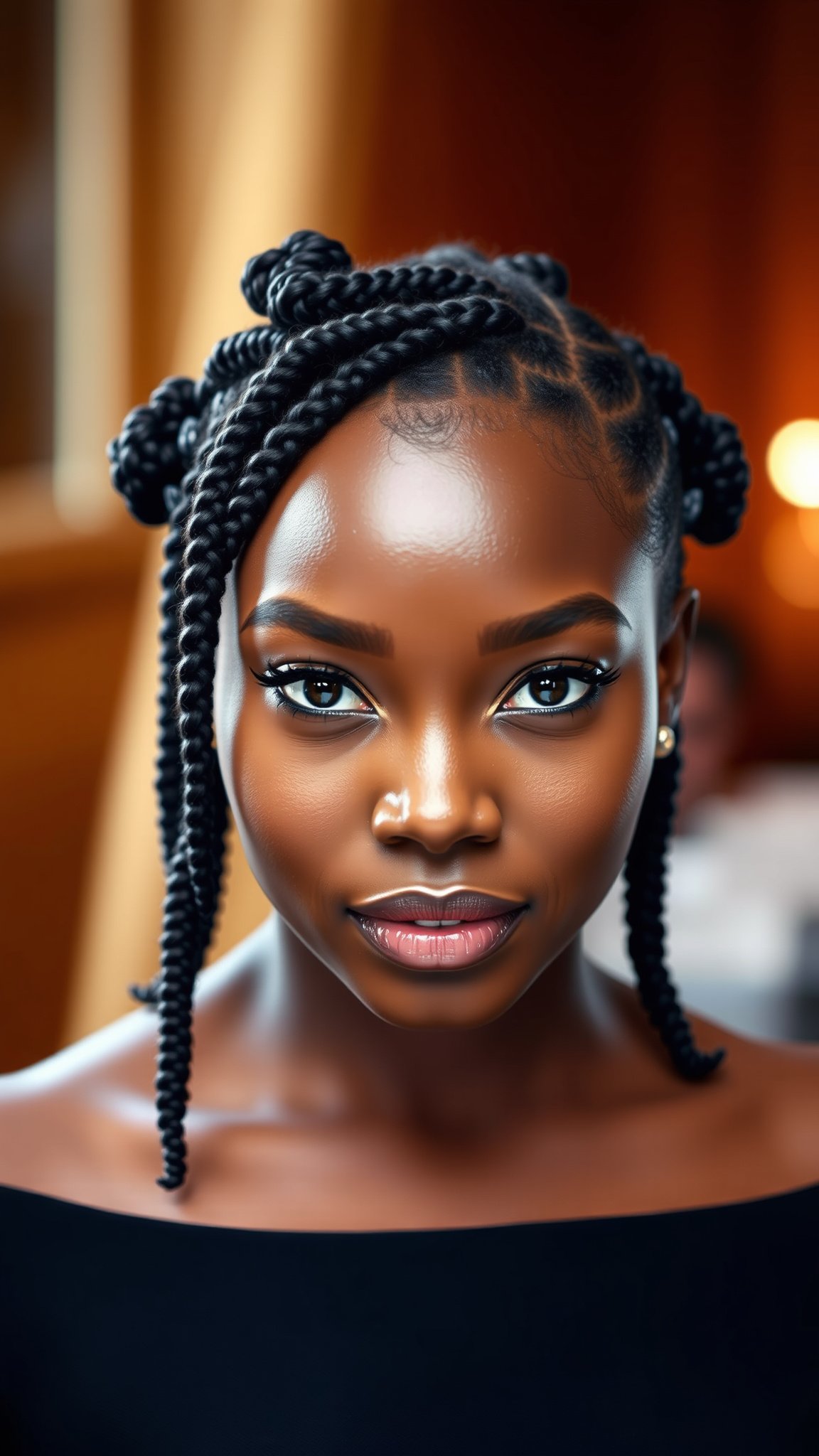
Fulani braids, characterized by their unique pattern and often adorned with beads or accessories, offer a stunning way to protect your hair. These braids are usually worn with some of the hair left out, allowing for creative styling options. Fulani braids are particularly popular for their cultural significance and aesthetic appeal. This style is great for festivals, vacations, or any occasion where you want to stand out. Regularly oil your scalp to prevent dryness and itching while wearing this style.
Wigs
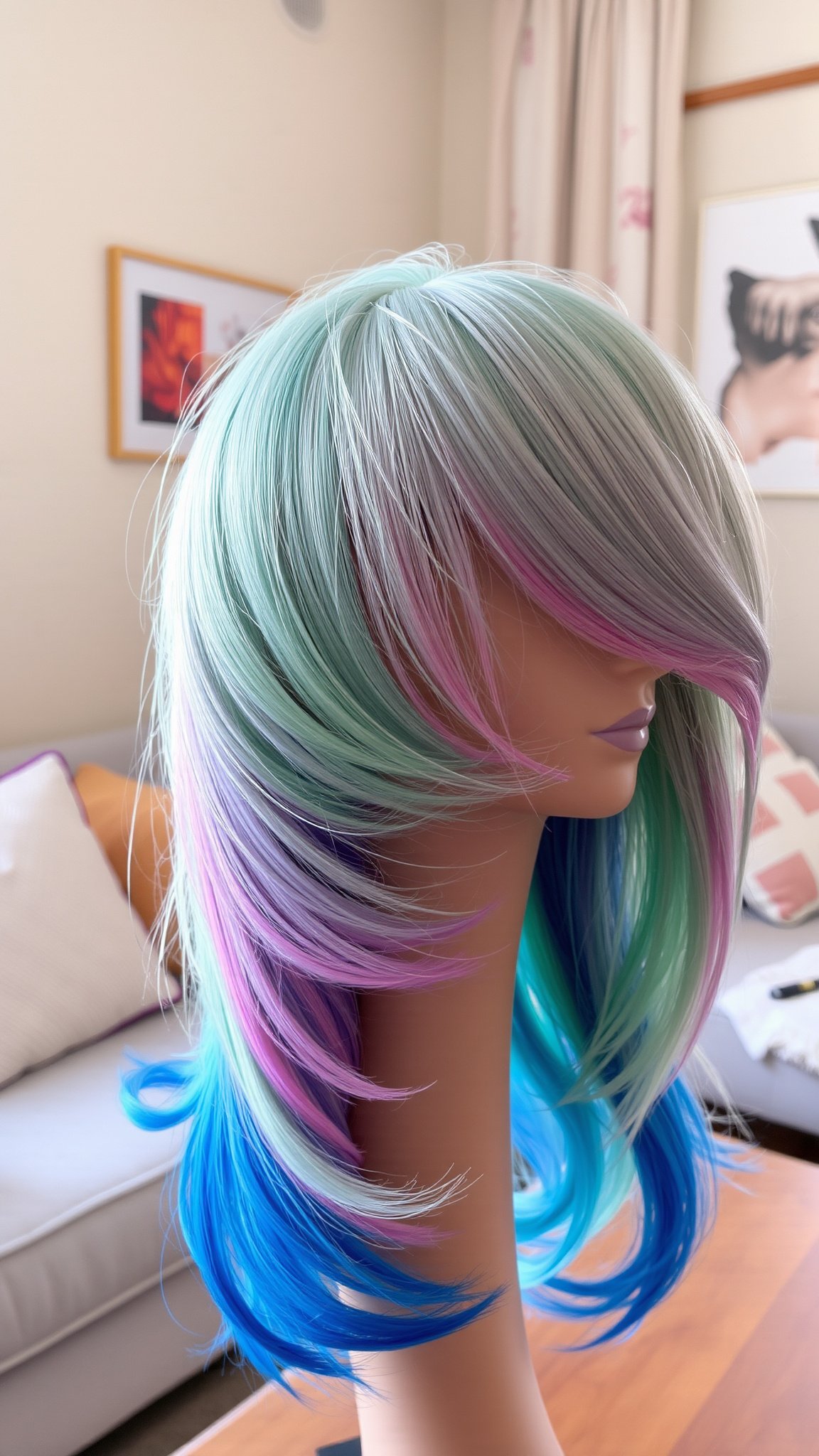
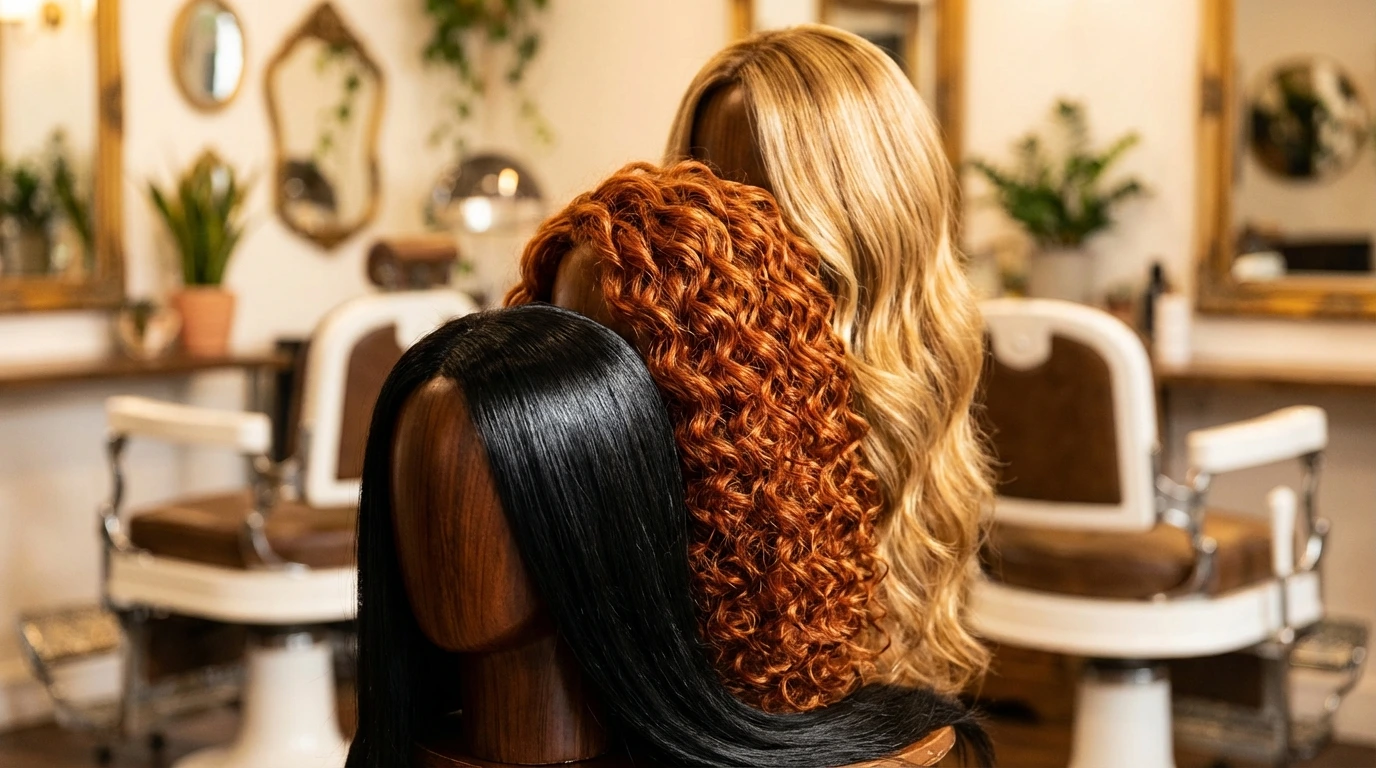
Wigs are a fantastic protective style that allows you to completely change your look without altering your natural hair. They come in a variety of textures, colors, and lengths, making it easy to find one that suits your style. Wigs can be worn for any occasion, from casual day-to-day activities to glamorous events. Ensure your natural hair is protected underneath by braiding it or wearing a wig cap. Remember to take breaks between wig wear to allow your scalp to breathe.
Senegalese Twists
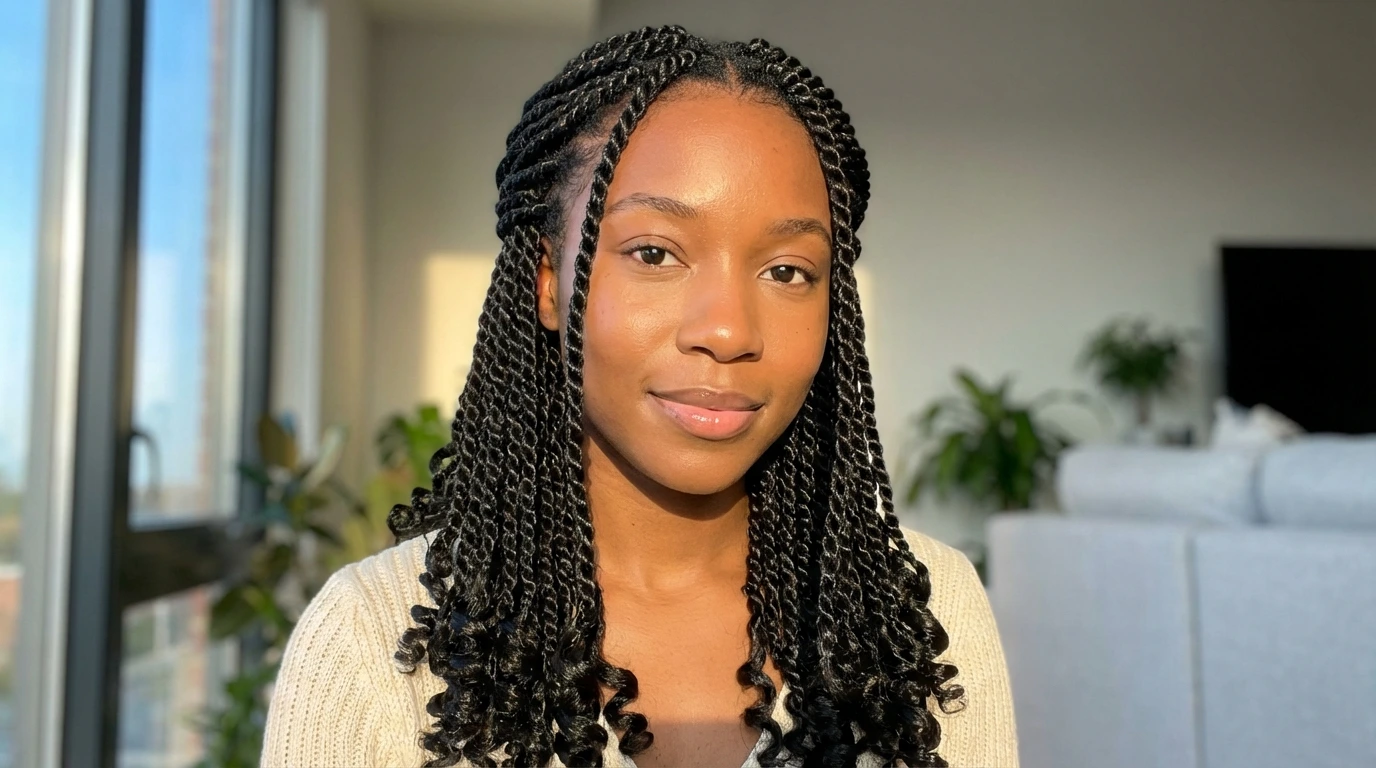
Senegalese twists are similar to traditional twists but are typically made with synthetic hair, giving them a sleek and polished look. This style is lightweight and can last for several weeks, making it ideal for busy individuals. Senegalese twists are suitable for both casual outings and formal events, as they can be styled in various ways. To maintain this style, regularly moisturize your scalp and avoid excessive pulling on the roots.
Protective Buns
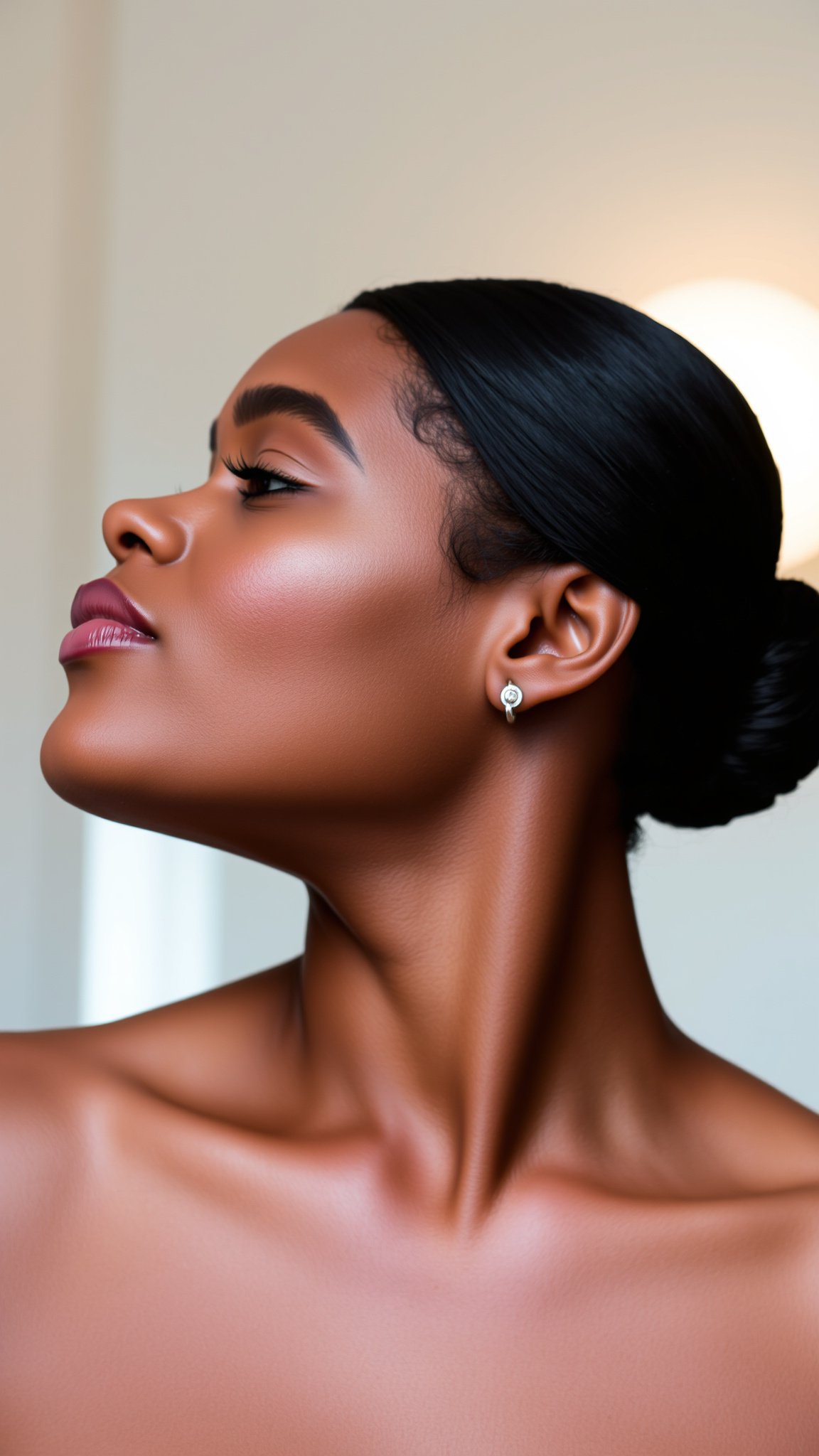
A simple yet elegant protective bun can be a chic way to keep your hair secured while preventing damage. You can create a low bun, high bun, or even a braided bun, depending on your mood and occasion. This style is perfect for work, casual outings, or even formal events when done elegantly. To keep your hair healthy, ensure you are not pulling too tightly and regularly use a moisturizing product suitable for your hair type.
Mini Twists
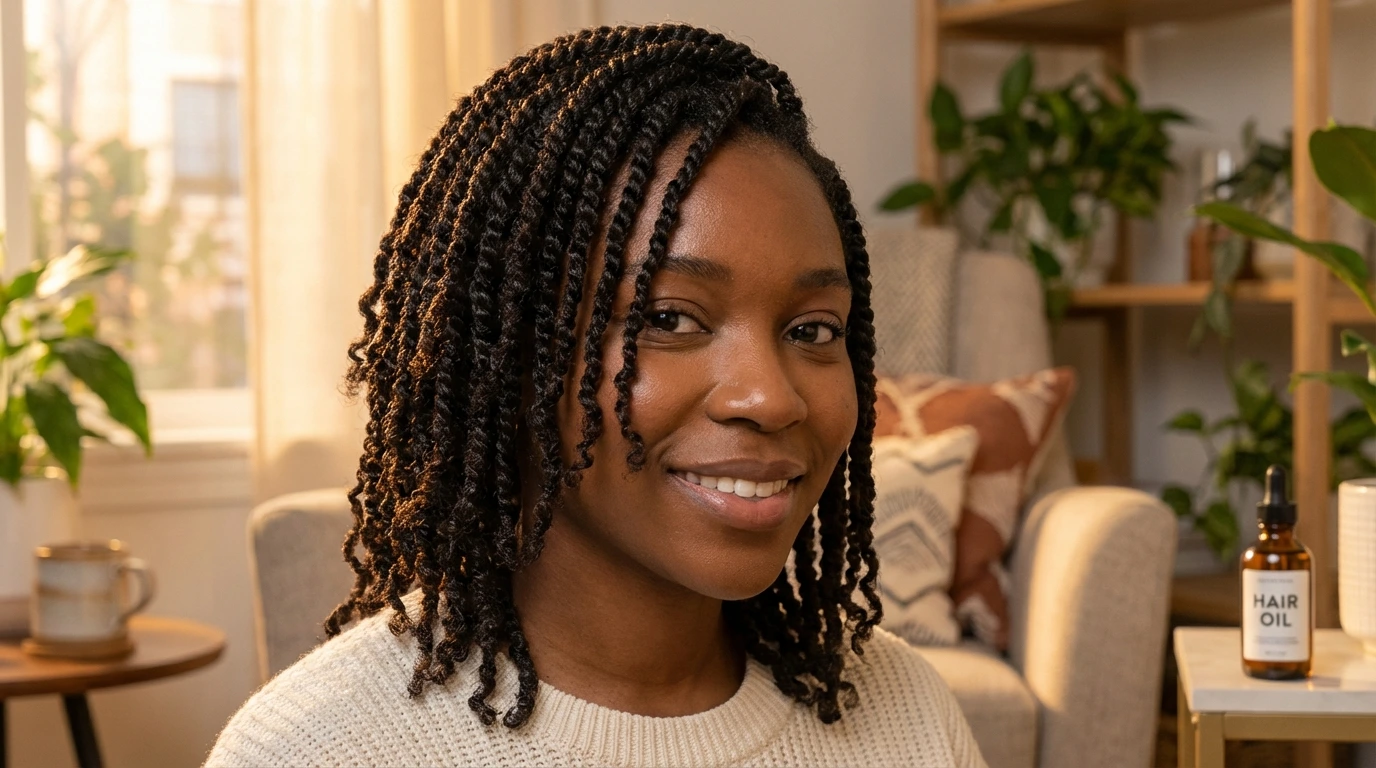
Mini twists are a smaller version of traditional two-strand twists, offering a stylish yet low-maintenance protective style. They allow for a lot of versatility, whether you want to wear them down, pinned up, or styled into an updo. Mini twists look great in both casual and formal settings, making them a favorite among many. For maintenance, use a light oil to keep your scalp hydrated and your twists looking fresh.
Braided Updos
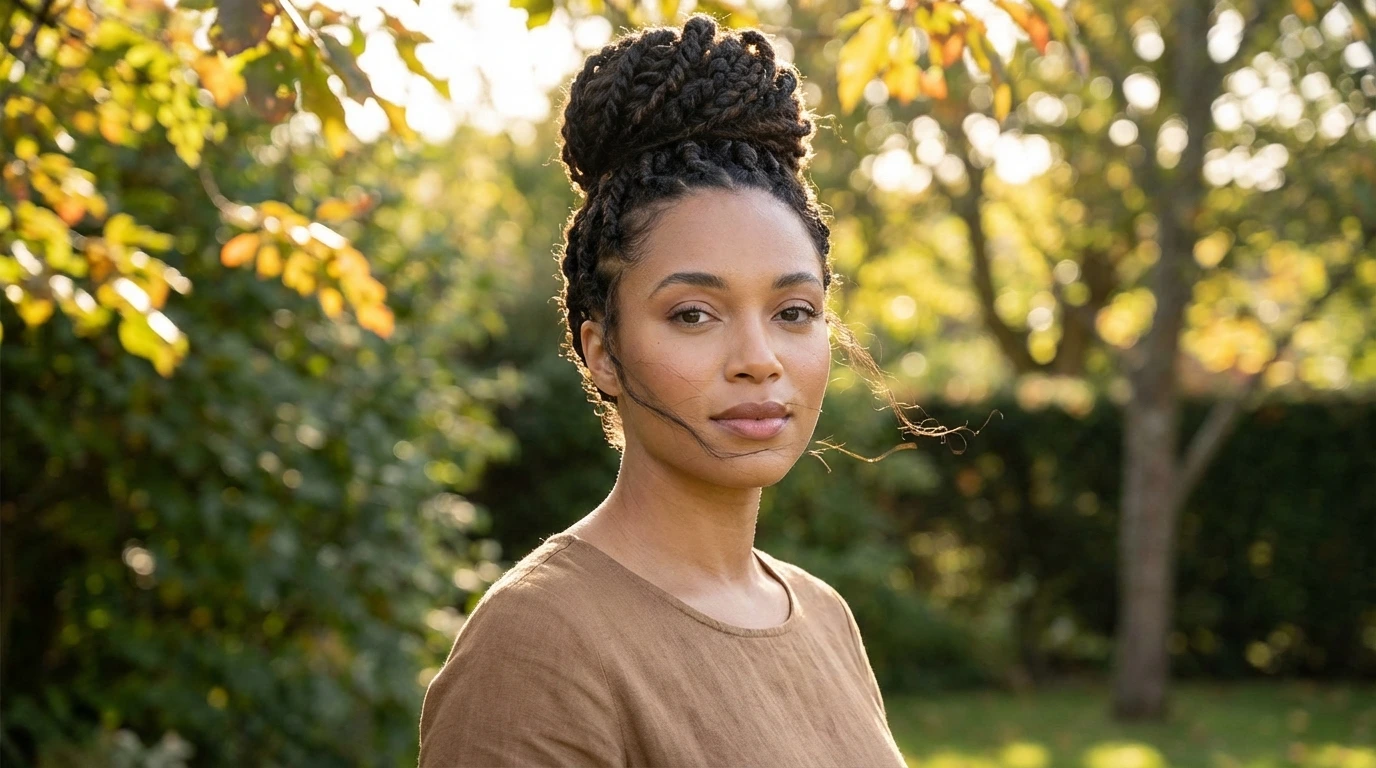
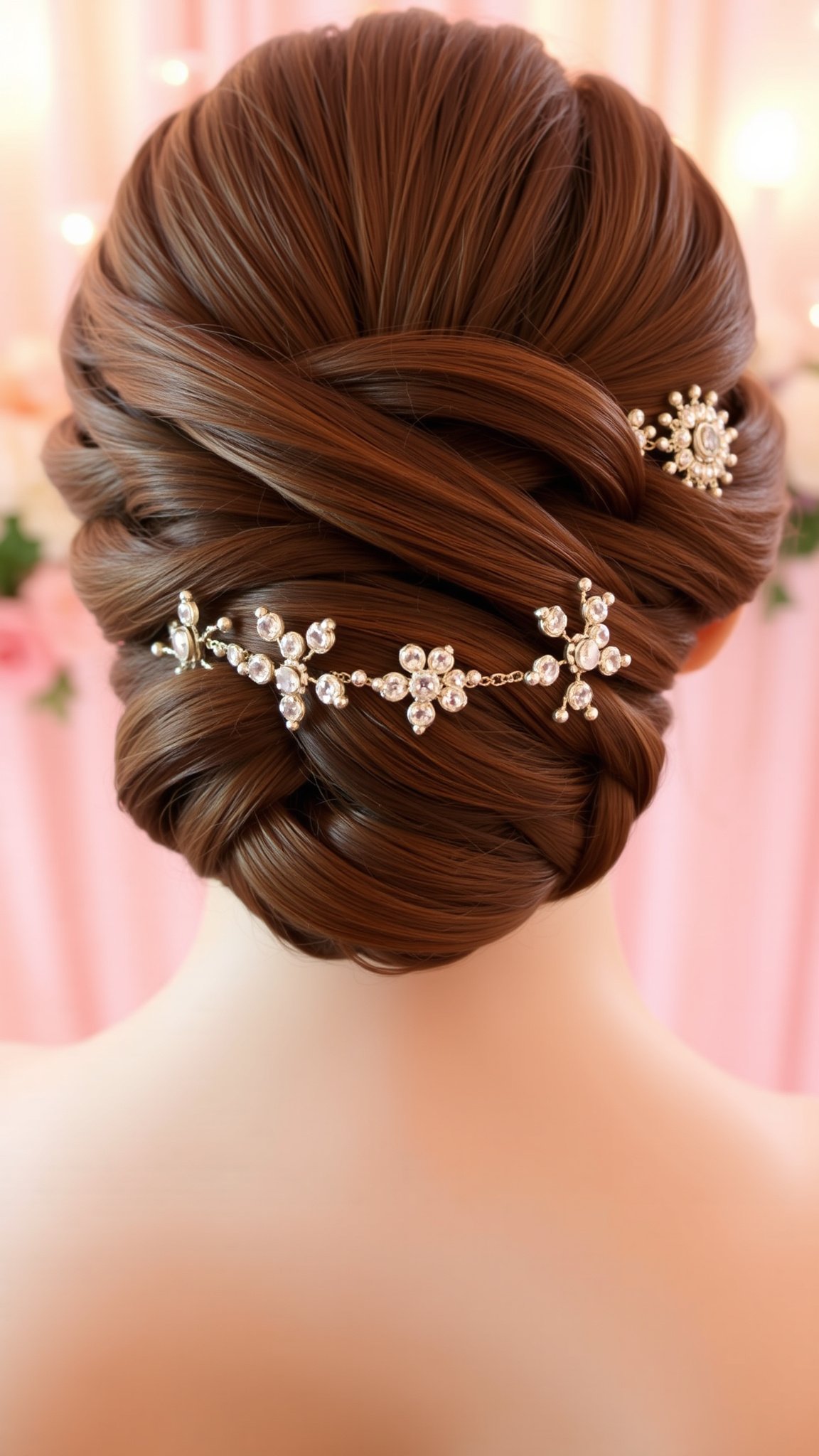
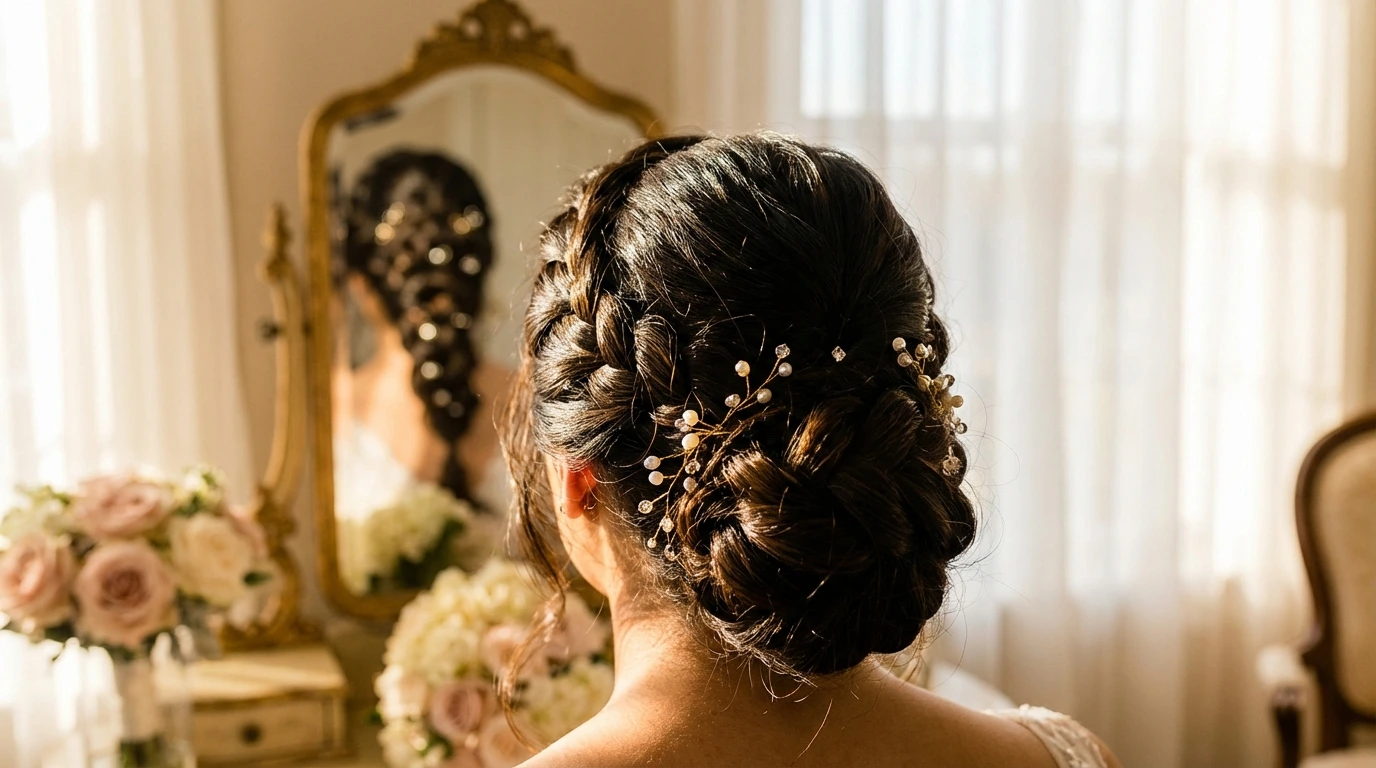
Braided updos combine elegance with protection, making them perfect for special occasions like weddings or formal events. You can create intricate patterns or keep it simple, depending on your preference. This style not only protects your hair but also showcases your creativity. Ensure you use a gentle approach when styling to avoid tension on your scalp, and moisturize regularly to keep your hair healthy.
Cornrows
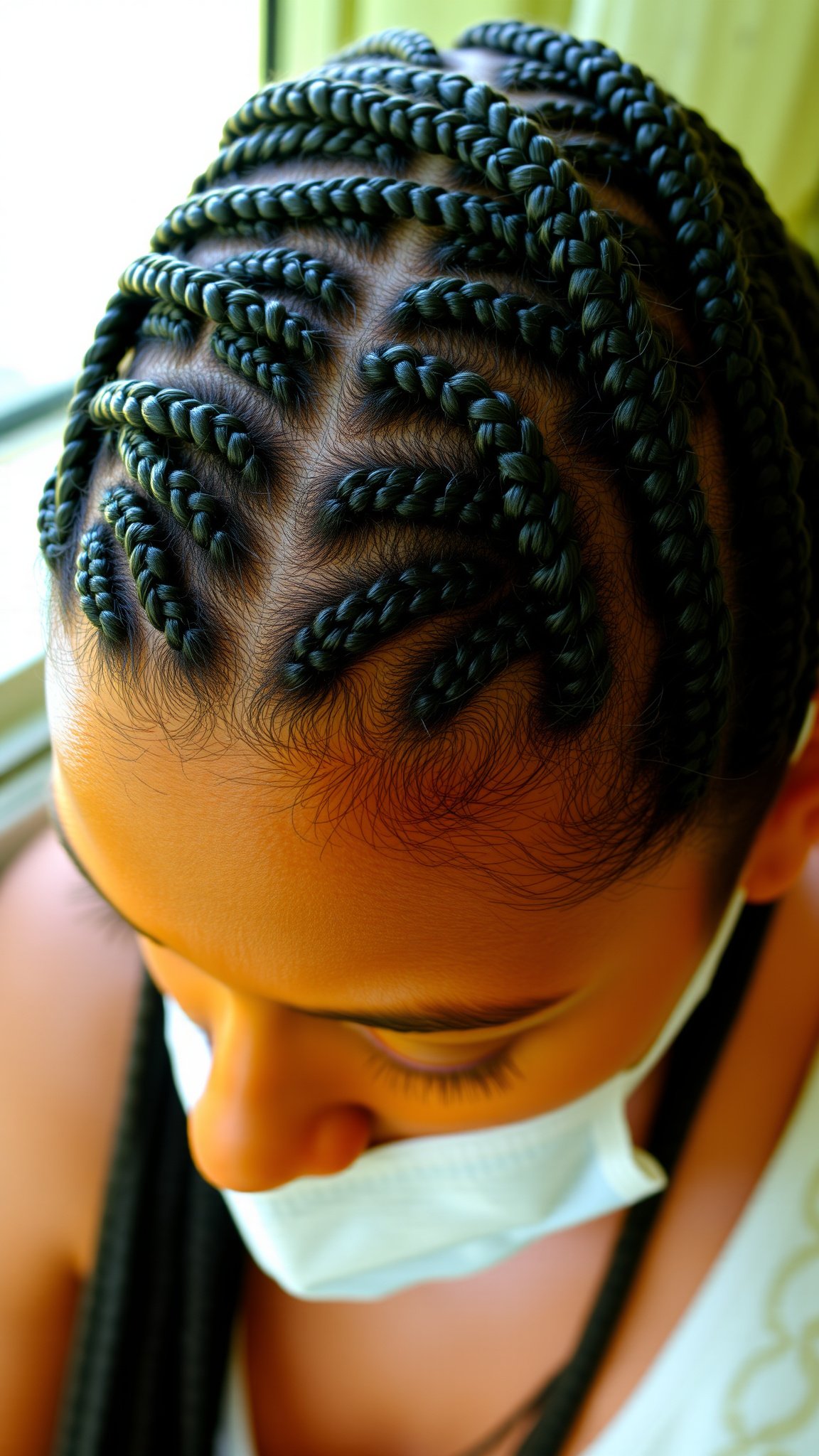
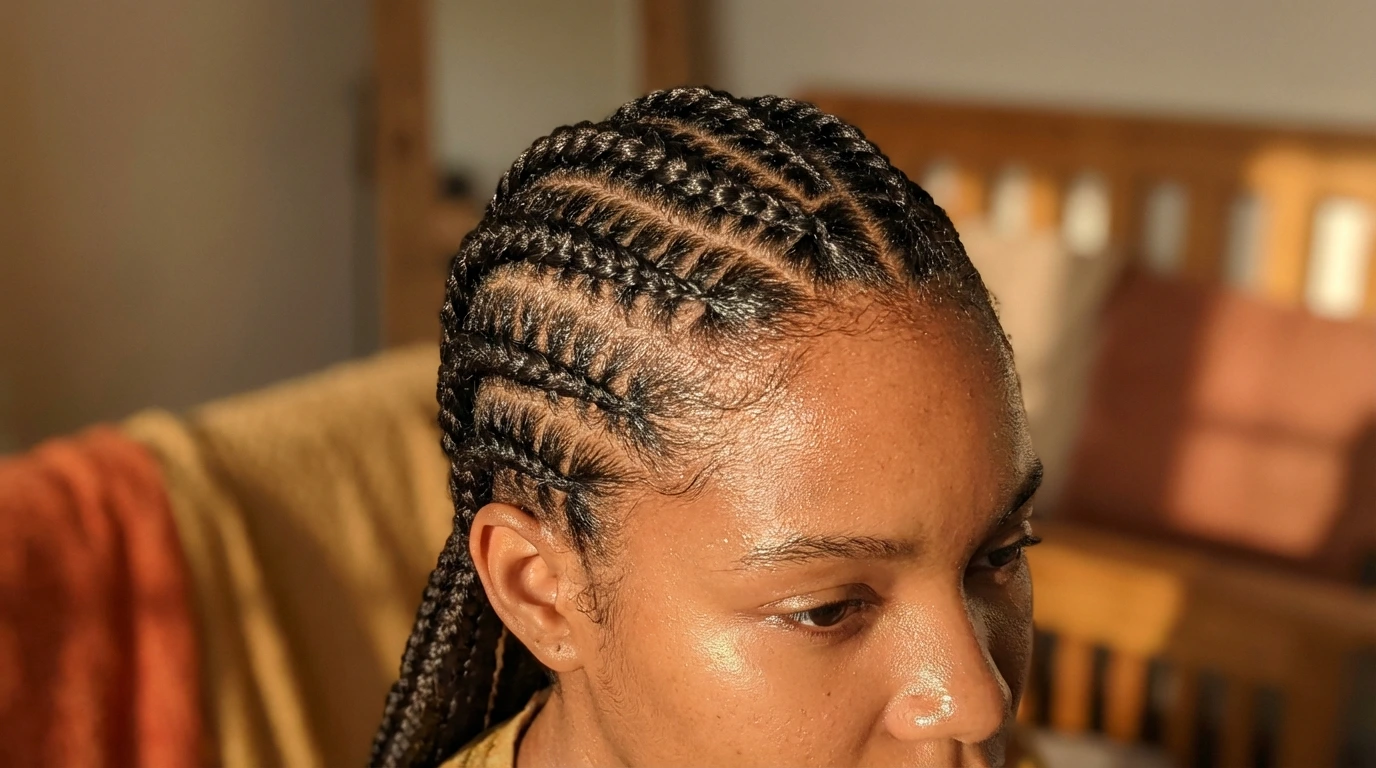
Cornrows are a timeless protective style that involves braiding the hair very close to the scalp. This style can be worn in various patterns and can last for weeks, making it a favorite for many. Cornrows are excellent for everyday wear or can be dressed up for special occasions. To keep your hair healthy while in cornrows, apply a light oil to your scalp and avoid tight braiding to prevent traction alopecia.
Faux Locs
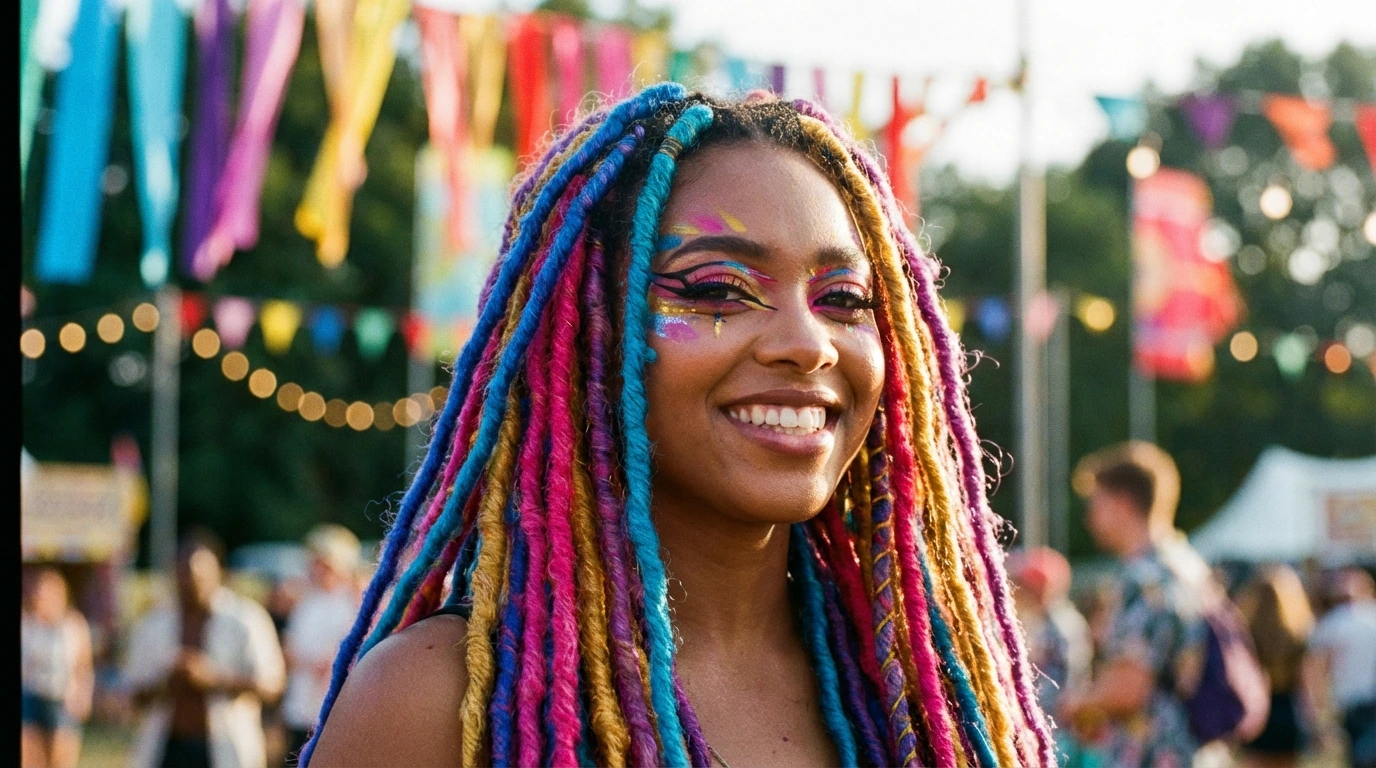
Faux locs are a trendy protective style that mimics the look of dreadlocks without the commitment. This style can be done using synthetic hair and can be worn long or short. Faux locs are perfect for festivals, parties, or any occasion where you want to make a statement. To maintain your faux locs, keep your scalp moisturized and limit the amount of tension during installation.
FAQs
What are the best protective styles for natural hair growth?
The best protective styles include box braids, twists, wigs, and updos. These styles minimize manipulation and protect the ends of your hair, which is crucial for growth.
How often should I change my protective style?
It’s generally recommended to change your protective style every 4 to 8 weeks. This timeframe allows your hair to rest while also preventing tension and breakage.
Can protective styles damage my hair?
If not done properly, protective styles can cause tension and breakage. Ensure that your styles are not too tight and that you maintain moisture to prevent damage.
How can I maintain my hair while in protective styles?
Regularly moisturize your scalp and hair, avoid tight styles, and allow your hair to breathe between styles. Additionally, using a satin or silk scarf can help reduce friction and preserve moisture.
Are protective styles suitable for all hair types?
Yes, protective styles can be adapted for all hair types. The key is to choose styles that suit your hair texture and length, ensuring they are comfortable and not too tight.
Conclusion
Exploring protective styles for natural hair growth opens the door to a world of creativity and self-expression. From box braids to elegant updos, there is a style for everyone that not only looks beautiful but also promotes healthy hair growth. Embrace the versatility of protective styles and don’t hesitate to try something new. Visit our website for more hairstyle inspiration and tips to keep your hair thriving!